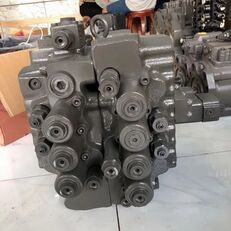
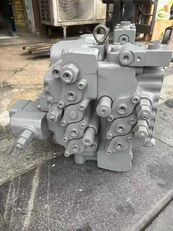
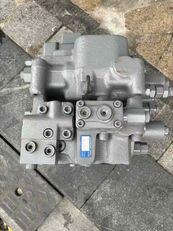
Distributore idraulico VOE14720610 per escavatore Volvo EC350D


Se avete deciso di comprare il mezzo ad un prezzo basso,bisogna assicurarsi che la persona con cui state comunicando è un venditore reale.Scopri tutte le informazioni possibili sul proprietario del mezzo. Uno dei metodi di truffa è quello di autonominarsi una azienda realmente esistente. In caso di dubbi, chiediamo gentilmente di contattarci per ulteriori controlli, tramite il modulo di feedback.
Prima di decidere di fare un acquisto, esaminate attentamente diverse offerte di vendita, per capire il costo medio del modello del mezzo scelto. Se il prezzo di offerta che Le piace è molto più basso rispetto alle offerte simili, pensateci. Una notevole differenza nel prezzo può indicare su difetti nascosti o sul tentativo del venditore di commettere una truffa.
Non comprare le merci, il prezzo di cui è troppo diverso dal prezzo medio di un mezzo simile.
Non acconsentire cauzioni dubbie e pagamenti anticipati della merce. In caso di dubbi, non abbiate paura di chiarire i dettagli, chiedete ulteriori foto e documenti del mezzo, controllate l'autenticità dei documenti, fate domande.
Il tipo più diffuso di truffa. I venditori disonesti possono richiedere una certa somma dell'acconto, per la «prenotazione» del diritto per l'acquisto del mezzo. In questo modo i truffatori possono raccogliere una grande somma del denaro e scomparire, e non farsi più sentire.
- Il trasferimento di pagamento anticipato sulla carta
- Non effettuare il pagamento anticipato senza la stipula dei documenti, che confermano il processo di devoluzione di denaro, se durante la comunicazione il venditore solleva dei dubbi.
- Trasferimento sul conto del "fiduciario"
- Una tale richiesta deve allertare, probabilmente state comunicando con un truffatore.
- Il trasferimento sul conto dell'azienda con un nome simile
- Attenzione, i truffatori possono mascherarsi come aziende famose, apportando piccole modifiche nel nome della società. Non fare i trasferimenti dei soldi, se il nome dell'azienda solleva dei dubbi.
- Sostituzione di propri dati in fattura dell'azienda reale
- Prima di fare il trasferimento del denaro, chiediamo gentilmente di accertarsi della correttezza delle credenziali, e se essi appartengono all'azienda indicata.
Dati di contatto del venditore

 +86 189 289...
+86 189 2896 5241

 Cina


 Cina
 Cina


 Cina


 Cina


 Cina


 Cina

 Cina


 Cina


 Cina

 Cina, Guangzhou


 Italia, Roma

 Polonia, Tarnowskie Góry


 Paesi Bassi, Wouw

 Romania, Satu Mare


 Lituania, Telšiai
 Polonia, Tarnowskie Góry
 Polonia, Tarnowskie Góry
 Polonia, Tarnowskie Góry


 Lituania, Telšiai
Product Overview
Digging rock, hardpan or compacted fill puts a control valve into a duty it was not designed to spend its whole life in. On ordinary soil the relief valves open rarely; on hard material they open constantly, protecting the circuit every time the bucket stalls against something the machine cannot bite through. Each of those openings is a pressure spike absorbed inside the block, and thousands of them per shift gradually work the spools, seats and springs. Machines that spend their days in rock wear out a valve far sooner than machines digging loam — and they wear the relief sections first.
The EC350D uses this distribution valve, reference VOE14720610, to divide pump flow among boom, arm, bucket, swing, travel and auxiliary. Once relief sections and spools are worn, hard digging feels different: the bucket stalls earlier, the arm loses force at the point of maximum resistance, and pressure feels inconsistent between passes. This OEM‑grade assembly replaces the block complete with fresh internals set to Volvo values, so the worn unit comes off and the replacement fits the original port positions.
Core Advantages
1. Built for machines that work in rock
Repeated relief action is the normal duty on hard material. Fresh spools, seats and springs restore the sections that absorb it.
2. Bite returns at maximum resistance
When relief sections leak, the bucket stalls earlier than it should. Renewed sealing lets the machine use its rated force before giving up.
3. Pressure stays consistent pass to pass
Worn sections produce variation that operators read as the material changing. Restored settings make the response predictable.
4. Heat from constant relief is reduced
Every relief opening converts energy to heat. Correctly set, correctly sealing sections cut that thermal load.
5. Complete assembly rather than section repairs
On rock duty several sections wear together. One tested block restores all of them in a single stop.
Manufacturing & Quality Control
Spool and bore pairs are machined to print tolerance, matched by size, and hand‑run‑in until full‑stroke movement is smooth without binding. Assembled blocks are flow‑tested circuit by circuit with relief settings verified and logged against EC350D figures; out‑of‑window units are stripped and corrected. Blocks ship internally oil‑fogged, ports capped, and crated on foam.
Frequently Asked Questions
Q1: How do I confirm VOE14720610 suits my EC350D?
A: Send a photo of the tag on the existing valve with the machine serial number. The D‑series uses several references across builds and we verify before dispatch.
Q2: Why does rock work wear a valve faster?
A: Relief valves open repeatedly to protect the circuit, and each opening stresses spools, seats and springs. Hard digging multiplies those cycles.
Q3: What symptoms indicate valve wear on a rock job?
A: The bucket stalling earlier than it used to, lost arm force at maximum resistance, inconsistent pressure between passes, and rising oil temperature.
Q4: Can my existing block be rebuilt?
A: If the casting is sound and has never been rebuilt, a kit may restore it. Where relief sections and spools are both worn, a complete assembly is usually the better choice. Photos help us judge.
Q5: What servicing accompanies installation?
A: Flush the system, renew the return filter, clean the suction strainer, refill with specified oil, and verify relief settings against specification before production.
Q6: What is excluded from warranty?
A: Material and assembly faults are covered. Damage from dirty oil, water ingress, a spool forced against a bind, or reliefs altered outside specification is not. Photograph the crate before opening if damage is visible.