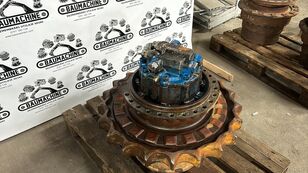
Azionamento finale Hitachi HMV116 per escavatore medio Hitachi EX215


Se avete deciso di comprare il mezzo ad un prezzo basso,bisogna assicurarsi che la persona con cui state comunicando è un venditore reale.Scopri tutte le informazioni possibili sul proprietario del mezzo. Uno dei metodi di truffa è quello di autonominarsi una azienda realmente esistente. In caso di dubbi, chiediamo gentilmente di contattarci per ulteriori controlli, tramite il modulo di feedback.
Prima di decidere di fare un acquisto, esaminate attentamente diverse offerte di vendita, per capire il costo medio del modello del mezzo scelto. Se il prezzo di offerta che Le piace è molto più basso rispetto alle offerte simili, pensateci. Una notevole differenza nel prezzo può indicare su difetti nascosti o sul tentativo del venditore di commettere una truffa.
Non comprare le merci, il prezzo di cui è troppo diverso dal prezzo medio di un mezzo simile.
Non acconsentire cauzioni dubbie e pagamenti anticipati della merce. In caso di dubbi, non abbiate paura di chiarire i dettagli, chiedete ulteriori foto e documenti del mezzo, controllate l'autenticità dei documenti, fate domande.
Il tipo più diffuso di truffa. I venditori disonesti possono richiedere una certa somma dell'acconto, per la «prenotazione» del diritto per l'acquisto del mezzo. In questo modo i truffatori possono raccogliere una grande somma del denaro e scomparire, e non farsi più sentire.
- Il trasferimento di pagamento anticipato sulla carta
- Non effettuare il pagamento anticipato senza la stipula dei documenti, che confermano il processo di devoluzione di denaro, se durante la comunicazione il venditore solleva dei dubbi.
- Trasferimento sul conto del "fiduciario"
- Una tale richiesta deve allertare, probabilmente state comunicando con un truffatore.
- Il trasferimento sul conto dell'azienda con un nome simile
- Attenzione, i truffatori possono mascherarsi come aziende famose, apportando piccole modifiche nel nome della società. Non fare i trasferimenti dei soldi, se il nome dell'azienda solleva dei dubbi.
- Sostituzione di propri dati in fattura dell'azienda reale
- Prima di fare il trasferimento del denaro, chiediamo gentilmente di accertarsi della correttezza delle credenziali, e se essi appartengono all'azienda indicata.
Dati di contatto del venditore

 +86 189 289...
+86 189 2896 5241


 Cina


 Cina


 Cina
 Cina


 Cina


 Cina


 Cina


 Cina


 Cina


 Cina

 Cina


 Cina

 Cina


 Cina


 Romania, Maramures
Product Overview
The Hitachi EX215 sits between the EX200 and the EX220 — a 21‑ton machine that took the best of the early EX generation and added a little more digging reach. Under each track frame sits the HMV116 axial piston motor and planetary reducer, the unit that takes pump flow and turns it into the slow, torque‑rich rotation pulling the machine across rough ground.
On an EX215 this age, the drive rarely gives a dramatic warning. It wears down in quiet stages: the two tracks stop quite matching, the machine drifts on level ground, the track shell warms after a trundle, and a note builds through the floor. Most crews nurse it until a track hesitates on a grade — but by then the piston block and valve plate have already been shedding swarf into the oil. This OEM‑grade unit reproduces the original HMV116 motor‑and‑reducer pairing as one sealed, bench‑tested assembly, so the worn drive lifts out whole and the new one bolts straight in.
Core Advantages
1. Keeps a legacy EX machine earning
Original HMV116 drives for the EX215 grow scarcer as the fleet ages. This OEM‑grade unit gives owners a path to keep a still‑useful machine on the job rather than writing it off over a dead track.
2. A lapped piston group that holds pressure
The cylinder block, piston shoes and valve plate are finished to close clearance, so oil pressure does not bleed internally. Both tracks pull in step — no drift, no lazy side, no hesitation when the bucket loads up.
3. Hardened gears for decades‑proven duty
The HMV116 planetary set follows a long‑proven Hitachi layout, with case‑hardened teeth that share the drive load evenly. Meshing stays smooth and quiet, and wear from years of track push slows right down.
4. Sealed for quarry dust and standing water
Legacy EX machines work through long hours in dust, mud and standing water. Fresh shaft and housing seals keep grit out of the lube — the protection that decides whether the drive reaches its first overhaul.
5. OEM‑spec quality without the dealer price
Renewing the drive to original tolerances restores the EX215's mobility far below the price of an original exchange unit, with sample and batch supply for workshops keeping legacy Hitachi machines on the books.
Manufacturing & Quality Control
The OEM‑grade route follows controlled specifications: material certification, precision machining of housings and gears, case hardening of wear surfaces and clean assembly. Each completed drive runs on a test rig to verify output torque, internal leakage and running noise before release, and only passing units are packed. Full preservation coating, moisture sealing and shock‑absorbing export casing protect the assembly during transport.
Frequently Asked Questions
Q1: How do I confirm the HMV116 matches my EX215?
A: Read the tag on your existing drive and send the machine serial number. Early Hitachi build variants can differ, so we cross‑check before dispatch.
Q2: Is this interchangeable with the EX200 or EX220?
A: The HMV116 family is related across the EX200 range, but mounting and output spline can differ between models. Send the serial number and we will tell you honestly whether it crosses over.
Q3: What symptoms mean the drive is tired?
A: Mismatched track speeds, pulling to one side, a warm or noisy track motor, and hesitation under load. Catch it before swarf spreads through the travel circuit.
Q4: Can a home workshop fit this?
A: The swap needs a track‑frame lift and basic hydraulic tools. If you already service undercarriages, it is a straightforward day job; otherwise use a mobile fitter.
Q5: What is the warranty position?
A: Manufacturing and material defects are covered. Damage from dirty oil, debris in the motor, track obstruction, overload or incorrect fitting is excluded. Photograph any arrival damage before uncrating.